
Social media has become one of the most powerful tools for entrepreneurs and brands. It’s no longer just about connecting with friends—it’s about building communities, driving sales, and creating long‑term business growth. Whether you’re running a small shop, an e‑commerce store, or a personal brand, social media can help you achieve success if you use it strategically.
Social Media Matters for Business Growth
- Massive reach: Platforms like Facebook, Instagram, TikTok, and LinkedIn connect you with billions of active users.
- Affordable marketing: Compared to traditional advertising, social media campaigns deliver higher ROI at lower costs.
- Direct engagement: Businesses can interact with customers instantly, building trust and loyalty.
- Data insights: Analytics tools help track performance, customer behavior, and optimize strategies.
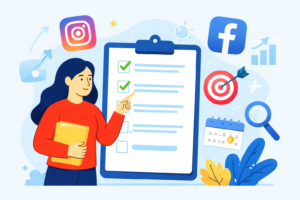
1. Define Clear Goals
Before you start posting, decide what you want to achieve:
- Increase brand awareness
- Drive traffic to your website
- Generate leads and sales
- Build a loyal community
Clear goals keep your strategy focused and measurable.
2. Choose the Right Platforms
Each platform has unique strengths:
- Facebook & Instagram → Best for visual storytelling and ads.
- TikTok → Perfect for viral short‑form content.
- LinkedIn → Ideal for B2B networking and professional branding.
- X (Twitter) → Great for real‑time updates and customer service.
Pick platforms based on your audience and business type.
3. Create Engaging Content
Content is the heart of social media success. Focus on:
- Educational posts: Share tips, guides, and industry insights.
- High‑quality visuals: Use photos, infographics, and videos.
- User‑generated content: Showcase customer reviews or testimonials.
- Live streams: Host Q&A sessions or product demos.
Consistency is key—post regularly and maintain a clear brand voice.
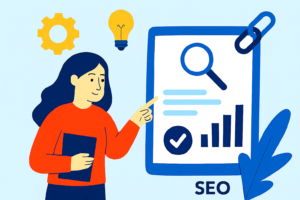
4. Optimize with SEO Keywords
Use keywords naturally in your posts and blogs:
- social media marketing for business
- grow your business with social media
- successful social media strategies
- digital branding tips
This improves your visibility on Google and attracts organic traffic.
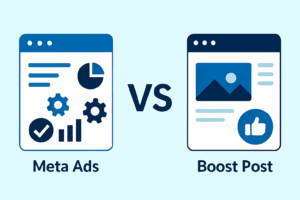
5. Leverage Paid Advertising
Organic reach is powerful, but paid ads can accelerate growth:
- Run targeted ads to reach specific demographics.
- Use retargeting campaigns to convert warm leads.
- Experiment with different ad formats (carousel, reels, stories).
Paid ads ensure your content reaches the right people at the right time.
6. Engage with Your Audience
Social media is about building relationships:
- Reply to comments and messages quickly.
- Run polls, contests, and Q&A sessions.
- Use hashtags to build communities.
Active engagement makes customers feel valued and strengthens loyalty.
7. Track Performance and Improve
Use analytics tools like Meta Business Suite, Google Analytics, or LinkedIn Insights to measure success.
- Monitor engagement, reach, and conversions.
- Identify which posts perform best.
- Adjust strategies based on real data.
Continuous improvement ensures long‑term growth.
FAQ Section
Q1: Can small businesses succeed with social media? Yes! With consistent posting and the right strategy, even small businesses can build strong customer bases and compete with larger brands.
Q2: Which platform should I focus on first? It depends on your business type. For visual products, Instagram is best. For B2B services, LinkedIn is ideal. For younger audiences, TikTok works well.
Q3: How often should I post on social media? Consistency matters more than frequency. Aim for at least 3–4 posts per week on major platforms, and supplement with stories or reels for daily engagement.
Q4: Do I need paid ads to grow my business? Not always. Organic growth is possible with quality content and engagement. However, paid ads can accelerate results by targeting specific demographics and boosting visibility.
Q5: What type of content performs best? Visual content—images, videos, infographics—generally performs better than plain text. Educational posts, customer testimonials, and interactive content like polls also drive high engagement.
Q6: How do I measure success on social media? Track metrics such as engagement (likes, comments, shares), reach, website traffic, and conversions. Tools like Meta Business Suite and Google Analytics help you monitor performance.
Q7: Is social media marketing suitable for every industry? Yes, but strategies differ. Fashion and lifestyle brands thrive on Instagram, tech companies perform well on LinkedIn, and entertainment brands often succeed on TikTok.
Q8: How can I build trust with my audience?
Final Thoughts
Social media is more than a marketing channel—it’s a growth engine. By combining SEO‑friendly content, engaging visuals, and data‑driven strategies, you can transform your online presence into a powerful driver of business success.