
Introduction
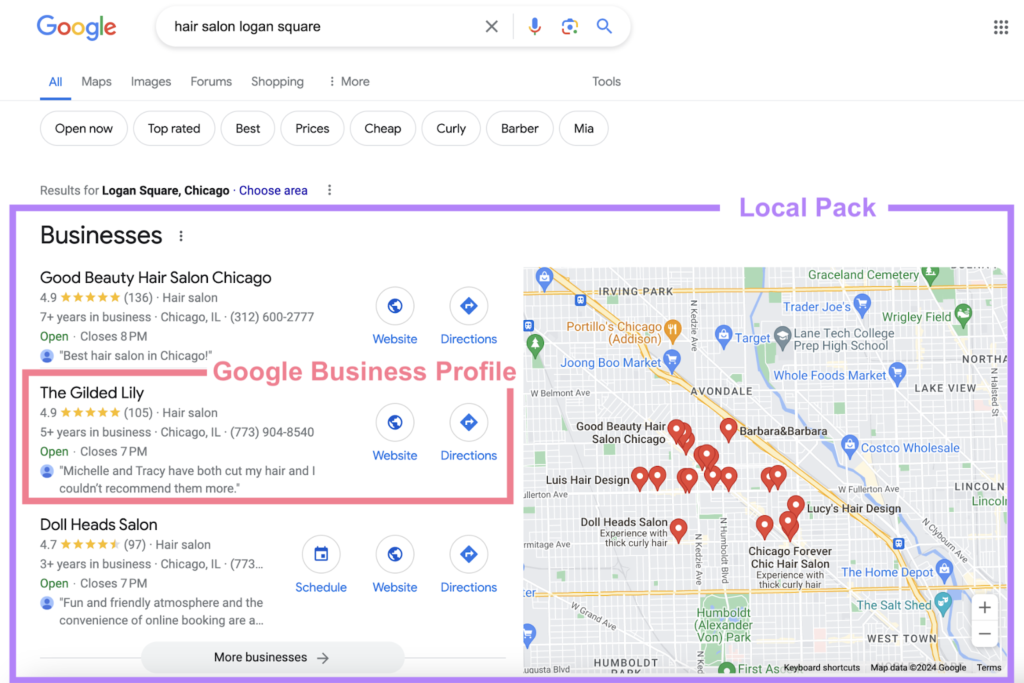
In 2026, local search has become more competitive than ever. Customers rely on Google Maps to find nearby businesses, and if your company isn’t showing up in the Local Pack (the top 3 listings on Maps), you’re losing valuable leads. Local SEO services are the key to boosting visibility, driving foot traffic, and increasing sales. Let’s explore how to rank your business on Google Maps effectively.
1. Optimize Your Google Business Profile (GBP)
Your Google Business Profile is the foundation of local SEO.
- Ensure NAP consistency (Name, Address, Phone number).
- Add accurate categories, services, and business hours.
- Upload high-quality photos of your store, products, or team.
- Use posts to share updates, offers, and events.
2. Collect and Manage Reviews
Reviews are one of the strongest ranking signals in 2026.
- Encourage satisfied customers to leave reviews.
- Respond to all reviews—positive or negative—to show engagement.
- Use keywords naturally in responses to boost relevance.
3. Build Local Citations
Citations are mentions of your business across directories and websites.
- Submit your business to trusted directories (Yelp, Yellow Pages, Bing Places).
- Ensure consistent NAP details across all platforms.
- Avoid duplicate or outdated listings.
4. Use Localized On-Page SEO
Your website should reinforce your local presence.
- Create location-specific landing pages.
- Add schema markup for local business.
- Include keywords like “near me” and city names in titles and meta descriptions.
5. Leverage Behavioral Signals
Google now tracks user engagement as a ranking factor.
- Encourage clicks with compelling titles and descriptions.
- Improve site speed and mobile usability.
- Track customer actions (calls, directions, website visits) via GBP insights.
6. Earn Local Backlinks
Backlinks remain critical for authority.
- Partner with local bloggers, newspapers, and community sites.
- Sponsor local events and get featured online.
- Publish shareable content like guides or infographics.
7. Personalization & AI Signals
In 2026, Google integrates AI-driven personalization into Maps rankings.
- Tailor content to user intent and location.
- Use structured data to help AI understand your business.
- Engage on social media to boost visibility signals.
Frequently Asked Questions (FAQ)
1. What is Local SEO? Local SEO is the process of optimizing your online presence to attract more business from relevant local searches, especially on Google Maps and the Local Pack.
2. Why is Google Maps ranking important for businesses? Ranking on Google Maps increases visibility, drives foot traffic, and helps potential customers easily find and contact your business.
3. How do reviews impact Google Maps ranking? Positive reviews improve trust and credibility, while consistent engagement (responding to reviews) signals to Google that your business is active and customer-focused.
4. What are local citations, and why do they matter? Local citations are mentions of your business on directories and websites. Consistent Name, Address, and Phone (NAP) details across platforms strengthen your local SEO.
5. Can small businesses compete with big brands in local SEO? Yes. Local SEO levels the playing field by focusing on proximity, relevance, and engagement. Even small businesses can outrank larger competitors with proper optimization.
6. How long does it take to see results from Local SEO? Results vary, but most businesses see improvements in 3–6 months with consistent optimization, reviews, and content updates.
7. What tools help track Local SEO performance? Google Business Profile Insights, Google Analytics, and tools like SEMrush or BrightLocal help monitor traffic, engagement, and keyword rankings.
8. Is mobile optimization important for Local SEO? Absolutely. Most local searches happen on mobile devices. A mobile-friendly site ensures better user experience and higher chances of conversions.
9. Do backlinks help with Google Maps ranking? Yes. Local backlinks from community sites, blogs, and news outlets boost authority and improve your chances of ranking higher.
10. Can social media activity improve Local SEO? Indirectly, yes. Active social media engagement increases brand visibility and drives traffic, which can positively influence local search signals.
Conclusion
Ranking on Google Maps isn’t just about visibility—it’s about trust, relevance, and engagement. By optimizing your Google Business Profile, collecting reviews, building citations, and leveraging AI-driven personalization, your business can dominate local search and attract more customers.
[…] is a quick checklist to apply SEO Basics 2026 […]